
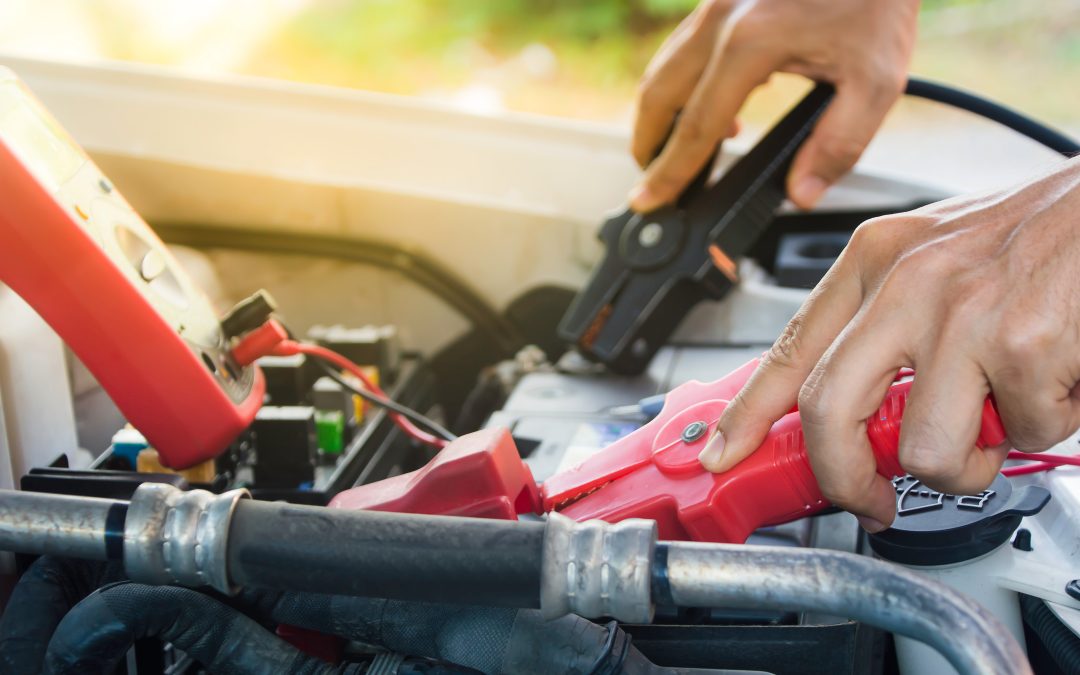
A dead car battery can be a frustrating experience, especially if you’re in a hurry. Fortunately, jumpstarting a car is a relatively simple task that most drivers can do themselves with the proper tools and precautions. This guide will walk you through the correct and safe way to jumpstart a vehicle.
What You’ll Need
-
Jumper cables (in good condition)
-
Another vehicle with a fully charged battery (or a portable jump starter)
-
Safety gear (gloves and eye protection are recommended)
-
A safe environment (flat surface, away from traffic or flammable materials)
Before You Begin: Safety First
-
Check for damage. Don’t attempt to jumpstart a battery that is leaking, cracked, or visibly damaged.
-
Turn everything off. Both vehicles should be turned off, including lights, radios, and climate control systems.
-
No smoking or sparks. Car batteries emit hydrogen gas, which is flammable. Do not smoke or create sparks near the battery.
-
Read both owner’s manuals. Some modern vehicles have special instructions or restrictions regarding jumpstarting.
Step-by-Step Guide to Jumpstarting a Car
Step 1: Position the Vehicles
Park the working vehicle close to the dead one, but make sure the cars aren’t touching. Engage the parking brakes and put both vehicles in park (automatic) or neutral (manual).
Step 2: Open the Hoods and Locate the Batteries
Pop the hood of each vehicle and locate the batteries and battery terminals. Usually, there is a positive (+) and negative (–) terminal.
Step 3: Connect the Jumper Cables in the Correct Order
-
Red to dead: Connect one red clamp to the positive (+) terminal of the dead battery.
-
Red to donor: Connect the other red clamp to the positive (+) terminal of the working battery.
-
Black to donor: Connect one black clamp to the negative (–) terminal of the working battery.
-
Black to ground: Connect the other black clamp to a clean, unpainted metal surface on the engine block or vehicle frame of the dead car. Do not connect it directly to the negative terminal of the dead battery — this reduces the risk of sparks near the battery.
Step 4: Start the Working Car
Start the engine of the car with the working battery and let it run for 2 to 5 minutes to build up a charge.
Step 5: Start the Dead Car
Try starting the car with the dead battery. If it starts:
-
Let both cars run for at least 5–10 minutes.
-
If it doesn’t start, wait a few more minutes or check the connections before trying again.
Step 6: Remove the Cables in Reverse Order
-
Black clamp from grounded metal on the dead car.
-
Black clamp from the working battery.
-
Red clamp from the working battery.
-
Red clamp from the dead battery.
Be careful that the clamps do not touch each other or any metal parts during removal.
Step 7: Let the Engine Run
Let the jumpstarted car run for at least 15–30 minutes or drive it around to help recharge the battery. Consider visiting a mechanic or auto parts store to test the battery and charging system.
If the Car Doesn’t Start After Jumpstarting
If the jumpstart fails, it could mean:
-
The battery is completely dead and needs replacing.
-
There’s a problem with the alternator or starter.
-
There’s a loose or corroded connection.
Seek professional assistance if repeated attempts to jumpstart fail.
Tips to Prevent a Dead Battery
-
Turn off lights and electronics when the engine is off.
-
Drive your vehicle regularly to keep the battery charged.
-
Have your battery checked during routine maintenance.
-
Replace batteries every 3–5 years or as needed.
Final Thoughts
Jumpstarting a car is a useful skill every driver should know. With a basic set of jumper cables and a little know-how, you can get back on the road quickly and safely. Just remember to follow the steps carefully, prioritize safety, and seek help if things don’t go as planned.